
Green building has made sustainability the standard in construction today. Being sustainable means caring for the environment, saving money, and having a stronger market position.
One of the sectors that makes the most waste is construction. In the long run, using green building methods and processes can have real benefits. Contractors who use these strategies see growth, become more competitive, and get credit for being innovative. Even though certificates cost money up front, the advantages usually surpass the expenditures over time. For contractors and clients alike, understanding green construction is vital for long-term success and becoming a leader in the field.
To help translate these ideas into tangible results, this article will illustrate the real advantages of green building and then discuss the importance of timely action.

Defining Green Building in Construction
Green building, driven by sustainability, is changing construction standards. Leaders who make sustainability central to their work build long-term success.
When you build something ‘green,‘ you apply the principles of green building. This includes utilizing building processes and materials that are environmentally friendly and save resources over the life of the project. This covers everything from planning and designing to building, using, maintaining, tearing down, and rebuilding.
A green building is specifically designed and constructed to reduce negative environmental impact at all stages, including the choices of design, materials, usage, and at the end of its life cycle. It enables people to live more sustainably by utilizing cleaner energy sources and incorporating energy-efficient design and manufacturing processes.
Designers and builders are inspired by new technology and the revival of old methods to create more advanced green designs and materials that use less energy. Some examples include the following:
- Passive sun, skylights, and smart ventilation help buildings naturally regulate temperature, reducing heating and cooling needs.
- Utilizing natural light, airflow, and non-toxic materials enhances occupant comfort and health.
Benefits of Utilizing Green Building Methodologies
In construction, “green building” means following green building concepts and meeting architectural standards. Builders use native plants, renewable energy, and water recycling. These choices support sustainability goals. Every sustainable design choice drives progress. Every choice, from what materials to use to how to connect systems, helps with compliance, cuts costs, and makes things more resilient. In this section, let us look at the benefits of using green building methods.
Healthier Living Environment
These features make operations smoother and ensure rule compliance. Efficient systems cut costs and prove that energy goals were met. Designing for people’s health prevents indoor pollution. These best practices meet regulations, adapt to market changes, and maintain long-term value.
Reduce Environmental Impact
As the effects of climate change become clearer, people and governments are increasingly emphasizing sustainability. Buildings are a key area for addressing climate change because they release almost 40% of the world’s CO2 emissions.
Economical Benefits
A lot of local governments now have building codes and rules that require buildings to be energy efficient, reduce waste, or use sustainable materials. Green projects are also good for the economy because they get tax breaks and other benefits.
Long-term Cost and Energy Savings
A green building may cost more at first, but the money you save on your energy and water bills over time can more than make up for it. Most of the time, green buildings use less energy than regular ones.
Higher Market Demand
More people are looking for green buildings to buy or rent. Market demand is pushing developers and contractors to offer greener solutions, whether it is a homebuyer seeking lower energy bills or a business aiming to appear green.
What Green Building Means for Builders
As the need for green buildings grows, builders must change how they work, what skills they have, and how they think in order to stay competitive and comply with regulations.
Utilize Digital Technologies and Sustainable Materials
To ensure quality and meet sustainability goals, these need up-to-date information and methods for sourcing. Some of the methods and systems that contractors can work with are the following:
- Materials that can be recycled or grown quickly
- HVAC and lighting solutions that use less energy
- Smart heaters and tools for automating
- Upgrades to the insulation, solar panels, and energy-efficient windows
Invest in Training and Skill Development
More and more people are interested in various sustainability certifications. It is helpful for contractors and project managers to understand these frameworks or hire qualified consultants. It is also becoming increasingly important to keep learning about energy rules, new technologies, and environmentally friendly building methods.
Better Collaboration
Architects, engineers, designers, and builders often work together more on green building projects. Including sustainability from the beginning, during the planning phase, is important, and contractors need to be prepared to participate in early decision-making.
New Challenges and Opportunities
Some of the common challenges in using green methods are the following:
- Permitting steps that take longer
- Higher costs up front
- Problems with the eco-friendly products’ supply chain
It does, however, open up new doors. In a crowded market, contractors who specialize in sustainable construction can stand out and draw clients who care about the environment.
What Green Building Means for Clients
Green building has a lot to offer clients, whether they are homeowners, developers, or business owners. But they also need to know what is going on so they can make smart choices.
Possible Savings for the Future
Buildings and houses that use less energy often save a lot of money over time on things like electricity, heating, and water. Within a few years, these savings may be worth more than the initial purchase.
Better Places to Live and Work
Low-VOC paints and finishes, better ventilation, and non-toxic materials are common in green buildings. This makes the spaces inside healthier, which is especially important in homes, schools, and businesses.
Higher Property Value
A home or business place that has been certified as green usually has higher resale values and is more appealing to buyers and renters who care about the environment.
High Initial Investment and Long-Term Savings
Clients should know that green buildings may cost more at first, but that they are spending in health, longevity, and energy efficiency, not just bricks and mortar. Working with a contractor who knows about green building can help you keep costs down and decide which changes will give you the best return on your money.
Taking Part in the Process
People are more interested in green projects than in regular ones. They might help the contractor and planner pick eco-friendly materials, look at energy models, and decide on features that are good for the environment.

Some Common Ways to Build Greener
These are some of the most popular methods used in green building today:
Using Sustainable Methods and Materials
The way that general contractors construct and deliver buildings is changing due to more environmentally friendly methods. Users in businesses can now use sustainable materials and new building methods without having to be experts in sustainability. The main goals of these methods are to make the best use of resources, protect the environment, and simplify compliance.
Innovation in materials is now a key way to gain a competitive edge. To meet sustainability standards and simplify environmental paperwork, manufacturers and building teams are using recycled content and other materials. By using these eco-friendly building methods, companies can lower organizational risks and meet regulations more quickly.
Smarter Use of Energy
Green buildings that are net-zero or zero-energy are designed to work without connecting to the power grid. They can get their power from sources that don’t run out. Not only that, but “zero” refers to both energy use and carbon pollution. These kinds of houses use no net energy each year and do not release any carbon into the air. They depend on clean energy sources like solar or wind power.
Utilize Sunlight
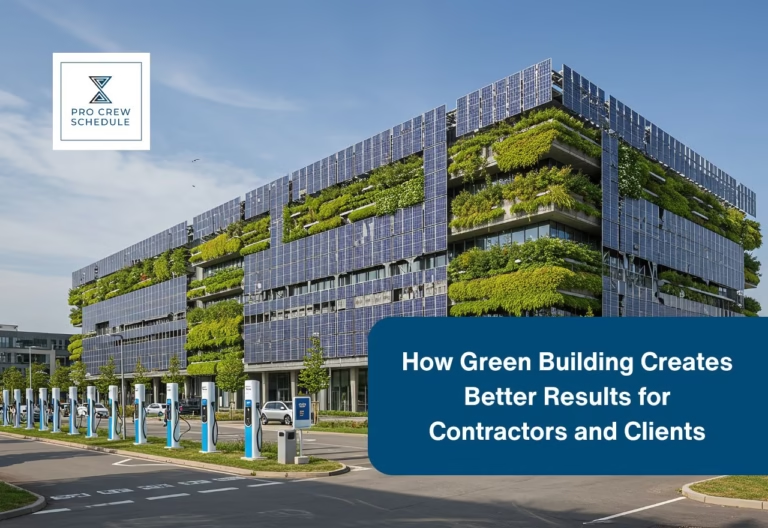
One of the best sustainable green building technologies used in the building business is solar power. You can use working solar panels that take in direct sunlight to heat and power the system. You can also utilize solar power by designing a structure that places windows and heat-absorbing surfaces to let the sun’s rays heat houses.
Green Insulation
A house stays warm with energy-efficient heating as long as there is enough thermal insulation to keep the heat inside. Also, insulation is one of the most important factors to consider when constructing homes and buildings. But many building company owners don’t know that insulators are simply wall filters and don’t need to be made of expensive, high-quality materials.
Smart Home Tools
Smart tools are becoming increasingly important for green building construction because homes and businesses consume a significant amount of energy. These green technology products can help you provide your customers with a better experience and construct buildings that are more environmentally friendly.
Key Takeaways
It is no longer a luxury or a niche to build in an environmentally friendly way. It is quickly becoming the standard for good building. As energy costs rise and concern about the environment grows, both workers and clients have the opportunity to make buildings smarter, healthier, and more sustainable.